
Considering remodeling your bath, but don’t know where to begin budgeting? You’re among many. Homeowners wonder how to budget for bathroom remodels without being blindsided during the project. While each house is unique, the factors that cause expense in Connecticut are fairly universal: scope, size, house age, and the quality of finishes you select. This guide outlines factors that influence the amount, keeping surprises to a minimum, and a reasonable plan to budget for the Fairfield County region.
What Actually Drives Bathroom Remodeling Costs in Fairfield County: 6 Factors
1. Size and layout
A Powder room is a smaller project than a double vanity master bathroom, with a walk-in shower, and a soaking tub. Additional square footage means additional tiles, additional waterproofing, and a longer punch list. Changing fixtures, i.e., moving a toilet or swapping a tub for a curbless shower, uses more labor and materials.
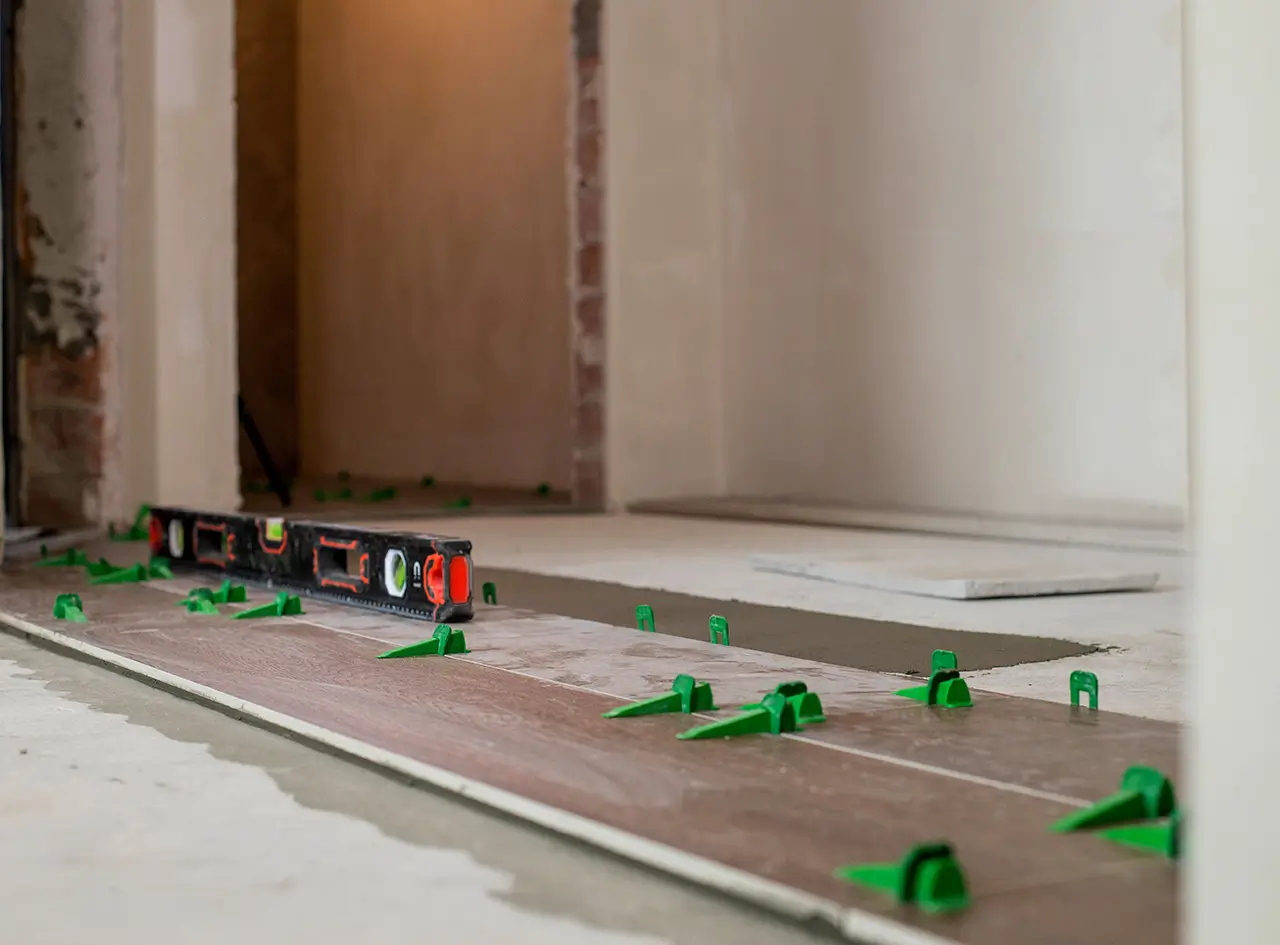
2. Scope and finish the degree
- Light refresh: New sink and faucet, new lighting, painting, and small touches.
- Pull-and-replace: Same floor plan, but interchange with new fixtures, tile, and finishes
- Full gut remodel: Strip to the studs with all-new plumbing/electric as needed, re-framing, and all-new finishes
- Luxury upgrade: Specialty glass, steam shower, heated floors, custom vanity, and stone slabs.
The more you remodel behind the scenes, and the more that you do custom millwork, big-picture tile, or tile, the higher the bathroom remodeling price gets.
3. Plumbing and electrical refinement
Older Connecticut homes may lack galvanized supply lines, old shut-off valves, or small electrical circuits. Pressure-balance or thermostatically controlled valve applications, installing a stand-alone heated floor circuit, and replacing outlets to new code (GFCI/AFCI) will increase the price of bathroom remodel. Knob-and-tube electrical or universal plumbing stacks will incur time and labor.
4. Waterproofing and Tiling
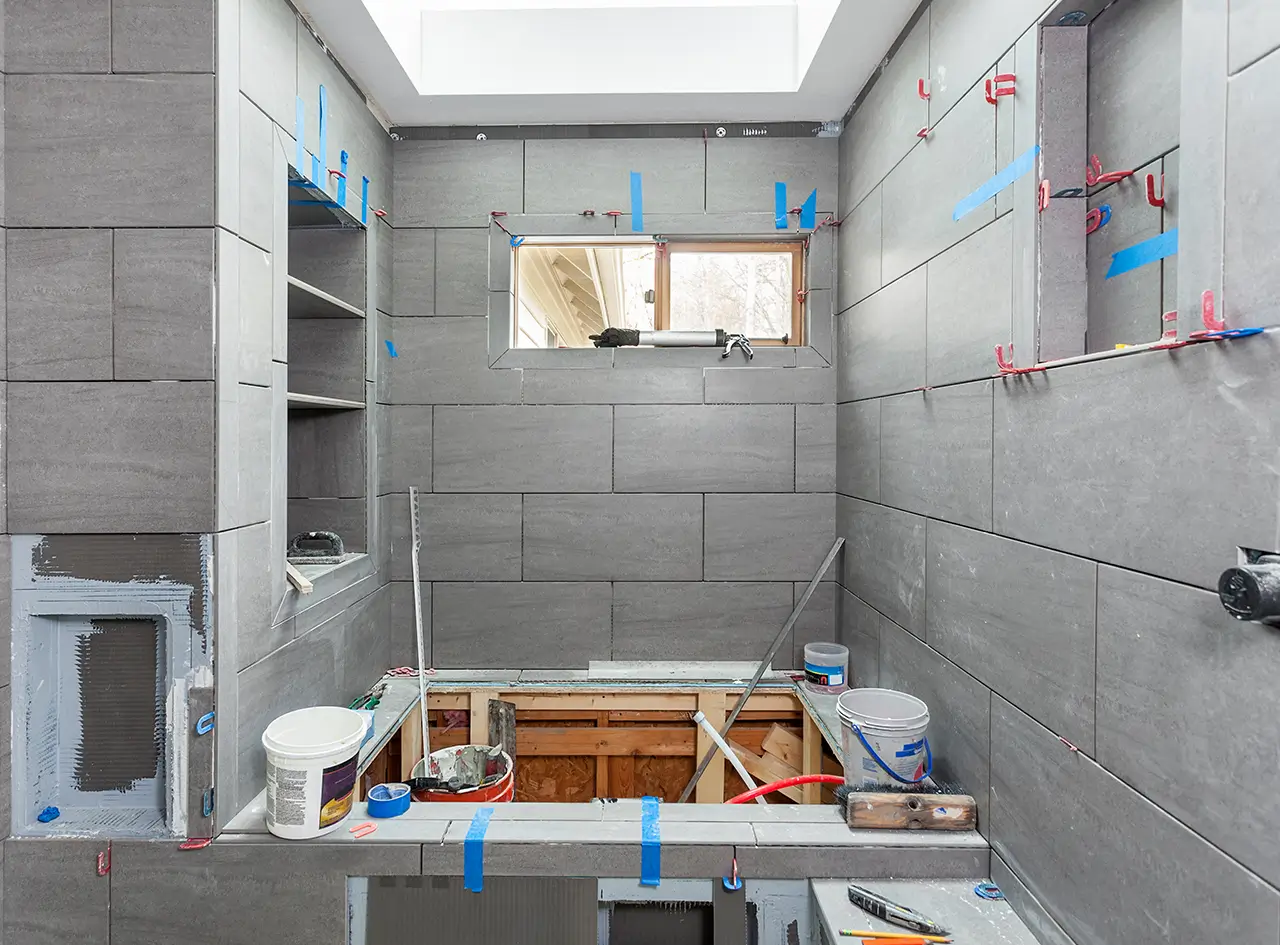
Showers are a big slice of the budget. Proper pans, membranes, backer board, and detailed tile setting (niches, benches, mitered corners) add skilled labor time. Patterns, mosaics, or large-format slabs require more precision than standard ceramic, and that shows up in bathroom remodeling costs.
5. Subsidiary and Structural Conditions
Second-story bathroom rooms hold some surprises: bouncy floors that must be supported, scratched-on-joists due to old work, or soft subflooring where an old tub was yanked. Replacing them is a good idea; no one is going to want cracked grout or a soft spot on the floor, but it will be more money.
6. Permits and inspections
Permits are usually necessary in most Connecticut towns when a remodel is being done that includes plumbing, electrical, framing, or layout work, including milestone inspections. If your home was constructed before the year 1978, lead-safe techniques are used during demolition. Permitting as well as compliance are all part of the incremental bathroom remodel expense and will make the undertaking safe as well as sale-perfect in the long term.
Bathroom Remodeling Tiers: From Refresh to Luxury
Every house is unique, but tiering assists in making the scope similar to spend, yet vague regarding numbers.
Cosmetic Update
Best if the existing structure is in good shape. Swap in a new vanity and top, sink fixture, and light, add fresh paint and updated accessories, and do minor caulk or grout touch-ups. A quick upgrade with minimal disruption.
Pull-and-Replace (Same Layout)
A practical balance between impact and cost. Keep the toilet, sink, and shower in place while updating tile, waterproofing, fixtures, vanity, mirror, and lighting. Often includes adding or upgrading proper ventilation for a healthier, longer-lasting bathroom.
Full Remodel (Same or Different Configuration)
Gutted to the studs. We needed to do a new supply line, new drain lines, new electrical, insulation, a full waterproofing package, new tile throughout, a custom glass shower, and additional storage. May include bathtub-to-walk-in-shower or shower-to-tub remodel.
Premium / Spa-Level
Everything included up to the max: steam shower, built-in bench and niches, slab walls or oversized-format panels, custom vanity and linen towers, specialty lighting layers, heated floors, and smart-control high-end fixtures.
How a Bathroom Remodeling Budget Generally Breaks Down
As a very rough estimate. Proportions shall vary depending on choices and site conditions.
-
- Skilled labor: 35–50%
- Tile + waterproofing materials: 10–20%
- Fixtures & fittings
(faucets, valves, shower system, toilet, tub): 15–25%
- Cabinetry, glass, mirrors, tops: 10–20%
- Electrical & ventilation: 5–10
- Design, permits, and inspections: 5–10%
These percentages allow you to compare bids apples-to-apples and determine where bathroom remodel expenses fall.
Considerations for Connecticut Homes
- Older homes: Most bathrooms in Colonials, Cape, and mid-century homes require subfloor patching, sistered joists, or re-framing around original cast-iron tubs.
- Venting to outdoors: A code-required fan ducted to the outdoors (not into an attic) avoids moisture issues that cause fix-it-later problems.
- Fixtures & fittings (faucets, valves, shower system, toilet, tub): 15–25%
- Second-floor logistics: Transporting debris and materials up/down cramped staircases takes time. Dust control and floor protection are essential in inhabited houses.
- Weather and lead times: There are longer lead times on specialty glass during winter projects; summer is the busiest time of year for contractors and inspectors. Order early if you need a deadline.
How We Quote and Keep Your Project on Budget
When ordering a consult, we will:
- Walk the site and record current situations.
- Discuss layout ideas as well as the desired appearance.
- Create a definitive, line-item scope (no nebulous allowances).
- Keep the site clean with a daily report of progress.
That process minimizes surprises, and bathroom renovation expenses are predictable, from the initial discussion to the last walk-through.
Is It Time to Remodel your Bathroom?
If you’re weighing options and want numbers tied to your home and wishlist, we’re happy to help. Contact us at HomeSquare Pro and we’ll put together a detailed scope and schedule, explain trade-offs, and suggest places to save without cutting quality. Your new bathroom should feel good on day one, and for years to come.
FAQs About Bathroom Remodeling Costs
How do I get an accurate estimate for my bathroom remodel?
Start with a site visit. A preliminary walk-through reveals layout constraints, venting paths, subfloor, and access, all the elements that determine bathroom renovation costs. A written doc with product-named goods from there holds the estimate back.
Is converting a bathtub to a shower cheaper than a full remodel?
Generally, yes, provided that the rest of the room is left untouched. Prices increase if the drain is moved, remixed to build niches/benches, or custom glass and stone are added.
What affects the total cost the most?
Tile selection, plumbing or electrical changes, and custom cabinetry tend to have the biggest impact. Layout changes and higher-end materials add cost, while keeping the same layout helps control it.
Is HomeSquare Pro fully licensed and insured in Connecticut?
Yes. We are properly licensed and insured within the state of Connecticut, and we serve the state of Connecticut. Our license number through the state of Connecticut Board of Home Improvement is HIC.0640370, and certificates of insurance are available upon request. Our electricians are properly licensed within the state of Connecticut to do electrical work.
Heated floors are they worthwhile?
Yes, for most Connecticut home owners. They are comforting and expedite drying. Cost is incremental, reasonable compared to the overall project, if accounted for up front.