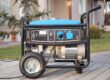

Quick Summary
Prep your generator before storms. Take a few minutes to check that your generator is clear on all sides of debris, leaves, and snow, set to AUTO with no warning lights or faults, and running its weekly exercise cycle as expected. Make sure the unit has a proper fuel supply or fresh fuel and that there are no visible signs of damage such as worn wires or cracked components. These simple checks, done consistently throughout the year, can help ensure your generator is ready when you need it most. If anything seems off, it is best to schedule a professional inspection.
Keep Your Generator Ready Without Overcomplicating It
Generator maintenance does not need to be complicated. The goal is simple. Your system should start, run, and power your home when needed.
Many homeowners wait until a storm is approaching to check their generator. This often leads to last-minute issues. A better approach is to check your system periodically throughout the year. Small checks can prevent larger problems.
Essential Generator Checks for Homeowners
1. Keep the Unit Clear
Your generator needs proper airflow to run safely.
- Remove leaves, snow, and debris regularly
- Maintain at least 2 to 3 feet of space around the unit
- Check the area after storms and seasonal changes
Blocked airflow can cause the system to shut down or overheat.
2. Know Your Weekly Exercise Cycle
Most standby generators run a weekly self-test.
- Learn when your generator is scheduled to run
- Listen for it occasionally
- Make sure it starts and shuts off smoothly
If the unit skips a cycle or sounds unusual, it should be checked.
3. Check the Indicator Light and Settings
A quick inspection can prevent larger issues.
- Confirm the system is set to AUTO
- Look for warning lights or fault indicators
- Consider remote monitoring if your system supports it
This step takes less than a minute and can reveal early problems.
4. Do Not Wait Until a Storm Is Coming
Checking your generator only before a storm is a common mistake.
- Inspect your system throughout the year
- Pay attention before summer and winter storm seasons
- Keep a simple routine instead of rushing at the last minute
Regular checks reduce the risk of failure.
5. Look for Visible Issues
You do not need technical training to spot basic problems.
Check for:
- Damaged or loose wires
- Cracked hoses
- Signs of corrosion
- Unusual smells such as gas
If you notice anything unusual, contact HomeSquare Pro.
Portable Generator Tips
If you use a portable generator, follow these basic steps:
- Run the unit once a month
- Use a fuel stabilizer or drain fuel if storing long term
- Inspect cords and wires for cracks or damage
- Store the unit in a clean and dry location
Portable generators that sit unused are more likely to fail.
Schedule a Power Simulation Test
The most reliable way to confirm your generator is working is to test it under real conditions.
HomeSquare Pro can simulate a power outage to:
- Verify the generator starts correctly
- Confirm power transfers to your home
- Identify any performance issues
This service is quick and helps avoid unexpected problems.
Why Choose HomeSquare Pro?
HomeSquare Pro provides reliable generator support for both standby and portable systems.
Our team can:
- Perform routine maintenance
- Identify and fix issues early
- Test your system for proper operation
If you have concerns or want to confirm your system is ready, we are here to help.
Routine checks can prevent major issues during a power outage. Do not wait until your generator is needed to find a problem.
Contact HomeSquare Pro today to schedule a generator check or power simulation.
FAQs
How often should I check my generator?
You should perform a basic check once a month and review it more carefully before storm seasons.
What if my generator does not run its weekly test?
This may indicate a battery issue, a setting problem, or a system fault. It should be inspected.
Should my generator always be set to AUTO?
Yes. AUTO mode allows the generator to start automatically during a power outage.
What are common warning signs of a problem?
Warning lights, missed exercise cycles, unusual noises, or visible damage are all signs that service may be needed.
What is a power simulation test?
It is a controlled test that simulates an outage to confirm your generator starts and transfers power correctly.